
How to Spot DEX On-Chain Accumulation Signals Before a Token Pump
Apr 11, 2026 22:08
If you want to catch a token before it 10x’s or even 100x’s, staring at price charts alone just isn’t enough anymore. Most traders are still chasing green candles and Twitter hype while the real smart money is already positioned on decentralized exchanges.
On DEXs like Raydium, Uniswap, or PancakeSwap, every swap, liquidity addition, and wallet move is permanently recorded on-chain. That means you can literally watch whales and smart wallets quietly accumulating while the price is still flat or even slightly down. This guide explains exactly what DEX on-chain accumulation signals are, why they appear before most big pumps, and how you can track them in a practical, repeatable way — even if you’re not a full-time degen.
What Is DEX On-Chain Accumulation?
Accumulation on a DEX is when buyers steadily build large positions over hours or days instead of dumping everything in at once. You see it as repeated medium-to-large swaps, growing wallet balances, and increasing buy pressure that doesn’t immediately push the price up.
Instead of reacting to candles, you’re watching real capital flow directly on the blockchain. When demand keeps rising while liquidity is stable (or only slowly increasing), that imbalance often sets the stage for a sharp breakout later. Its not random — its smart money positioning before the crowd notices.
Why DEX Data Matters More Than Ever in 2026
Retail traders still wait for the usual triggers: a breakout on the chart, a viral tweet storm, or a CEX listing. By the time those happen, the early buyers have usually already made their money.
DEX activity comes first. Solana DEX volume alone hit nearly $2 trillion in 2025, and in early 2026 smart money has been rotating even harder onto these platforms for the speed, privacy, and lower fees. According to Nansen’s February 2026 reports, when 5 or more labeled smart wallets show positive netflow into a low-cap token while CEX balances drop, it often precedes a 3–7 day pump by a noticeable margin.
The 4 Strongest DEX Accumulation Signals Before a Pump
Here are the signals that actually move the needle in 2026, backed by fresh on-chain data from Dune, Nansen, and recent research:
- Rising Volume-to-TVL Ratio
This remains one of the cleanest early tells. When daily trading volume climbs faster than the liquidity locked in the pool (TVL stays flat or rises slowly), it screams growing demand. Look for this pattern while the price is still ranging sideways — that’s classic quiet accumulation. - Whale & Smart-Money Buys on DEX
Large wallets rarely buy in one single transaction. Watch for repeated buys over several days, especially $100k+ swaps with almost no sell pressure. Nansen data from February 2026 shows that clusters of 5+ smart-money wallets accumulating the same token is still one of the highest-conviction setups you can find. - Liquidity Growth Without an Immediate Price Spike
More capital flowing into the pool plus steady buy pressure equals real confidence from big players. If the price lags behind these on-chain moves, the setup is building quietly before the breakout. - Fast Accumulation Speed (Pump.fun → Raydium Style)
A February 2026 arXiv study on Pump.fun launches revealed something powerful: out of 655,000+ tokens launched, only about 0.63 % actually graduated to full DEX liquidity. The ones that reached the bonding-curve threshold with just a handful of large trades (instead of hundreds of tiny bot buys) had dramatically higher graduation rates and stronger post-migration pumps.
Real 2026 Example: How These Signals Played Out
Take the $PUMP token move in January 2026. While retail sentiment was fading, smart-money wallets quietly added roughly 48 million tokens — that’s +5.8 % of their holdings — through DEX swaps. The price stayed relatively flat for days, volume-to-TVL climbed, and then the token attempted a 57 % breakout once the accumulation phase ended. This exact pattern repeats across Solana memecoins almost every week in 2026.
How These Signals Work Together (The Real Edge)
No single metric predicts a pump perfectly. The strongest setups almost always combine three or more signals at the same time:
- Rising volume-to-TVL ratio
- Multiple smart wallets accumulating
- Liquidity trending upward
- Price still calmly ranging (no breakout yet)
When you see this cluster, the probability of a meaningful move increases significantly. Think in terms of evidence stacking, not isolated data points.
What Most Guides Completely Miss About DEX Accumulation
Plenty of articles talk about active wallet counts, CEX inflows/outflows, or Twitter sentiment. Those can help, but they aren’t truly DEX-specific. Very few explain how to actually read volume-to-TVL ratios on Raydium or spot whale accumulation directly inside the pools. That gap is exactly why traders who are serious about early entries keep searching for this kind of practical information.
Simple Beginner Workflow to Spot Accumulation in Under 10 Minutes
- Find a token that’s been trading sideways for at least 48 hours.
- Check if DEX volume is climbing while price stays flat.
- Compare volume versus TVL — is trading activity picking up faster than liquidity?
- Look for repeated large or medium-sized buys from fresh or labeled wallets.
- Confirm the price hasn’t already broken out.
You’re not trying to time the exact top of the pump. You’re simply trying to get positioned before the crowd wakes up and FOMO kicks in.
Why This Matters in Today’s Lightning-Fast Markets
DeFi moves can be brutal once momentum starts. Watching on-chain DEX data lets you shift from reacting to anticipating. Its not foolproof — nothing in crypto ever is — but it gives you way more context than price charts alone and can help you avoid chasing late-stage pumps.
How to Track These Signals Easily Without Spending All Day
Manually scanning wallets and liquidity pools across dozens of tokens is exhausting. That’s exactly why tools like BlockSonar were built for traders who want an edge.
The BlockSonar DEX Dashboard pulls together real-time buy flows, whale-sized swaps, volume-to-TVL changes, and early accumulation patterns all in one clean interface.
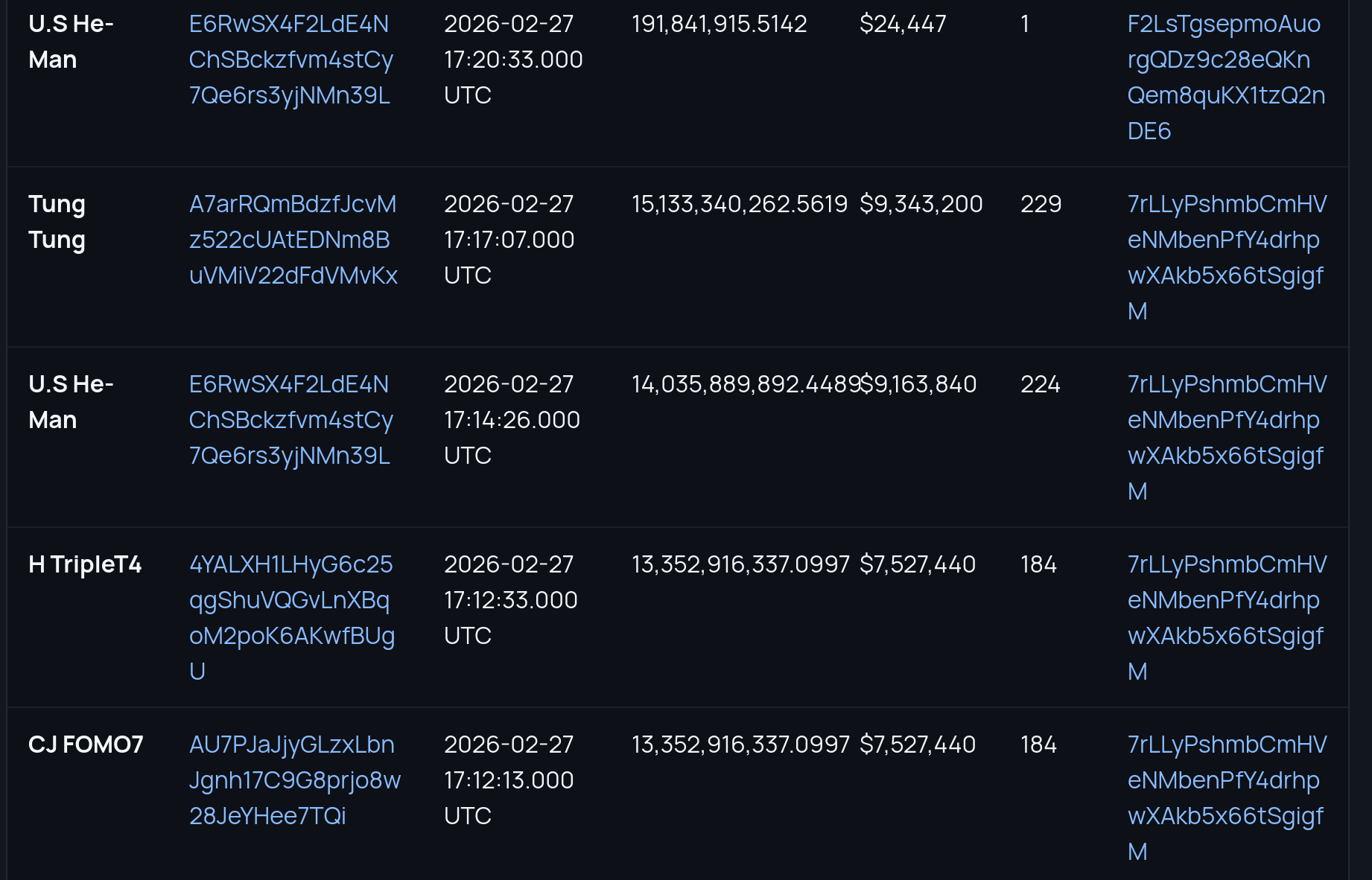
If you’re serious about spotting DEX accumulation before the next big pump, start here: https://www.blocksonar.net/dex/
Final Thoughts
DEX on-chain accumulation signals aren’t magic indicators. They’re simply evidence of smart capital positioning before the rest of the market catches on. When volume starts rising, whales load up, liquidity builds, and price stays suspiciously quiet… something is usually forming under the surface.
Instead of waiting for that perfect breakout candle, start watching the flow first. The data is public, the tools are available, and the edge is still very much there for anyone willing to look on-chain.